dejar un mensaje
Si está interesado en nuestros productos y desea conocer más detalles, deje un mensaje aquí, le responderemos lo antes posible.

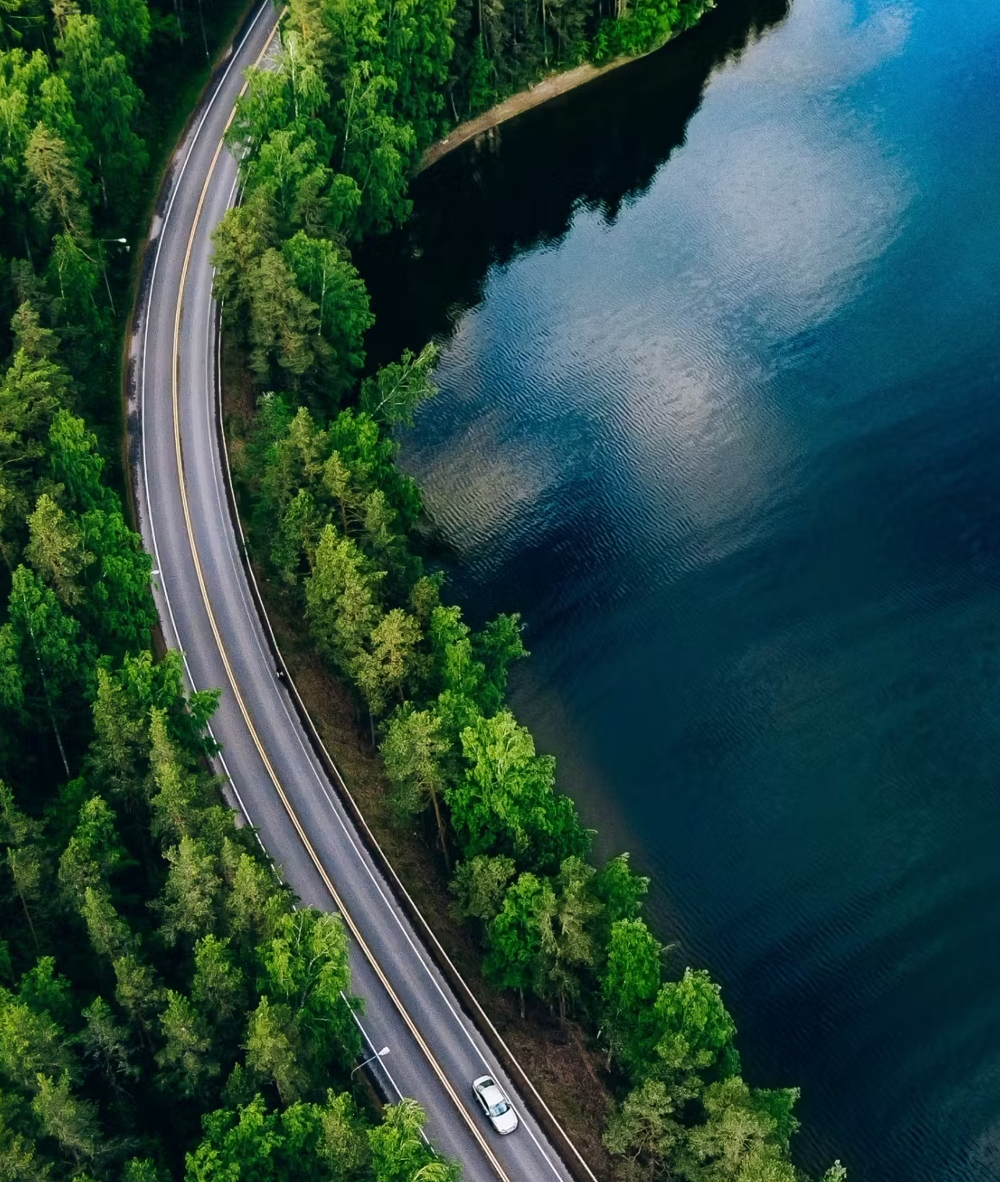
Geotextil vs. Geomalla: Una elección real en un proyecto vial de EE. UU.
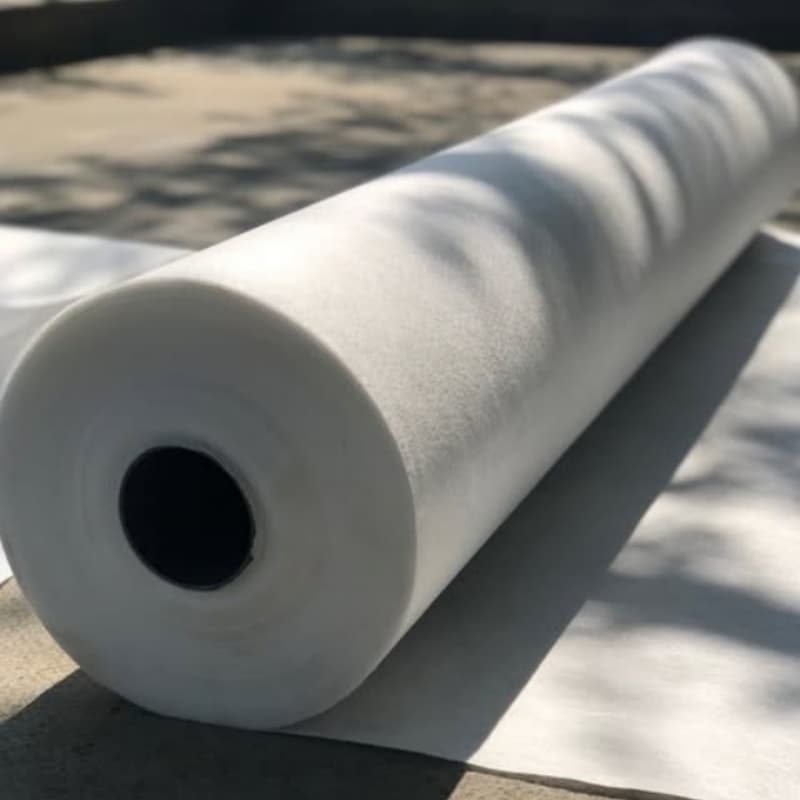
Tanto los geotextiles como las geomallas son materiales geosintéticos muy utilizados, pero desempeñan funciones primarias diferentes en los proyectos de ingeniería. Geotextiles Los geotextiles se fabrican comúnmente como tejidos o telas no tejidas con buena permeabilidad y se utilizan para separación, filtración, drenaje y protección. En la construcción de carreteras, a menudo se coloca un geotextil entre el suelo blando de la subrasante y el agregado para reducir la mezcla, evitar que las partículas de suelo penetren en la capa de agregado y permitir el paso del agua.
La geomalla tiene una estructura de malla abierta y se utiliza principalmente para el refuerzo del suelo y la estabilización de agregados. En lugar de simplemente crear una capa entre dos materiales, la geomalla interactúa con el agregado mediante un entrelazamiento mecánico. Cuando las partículas de agregado entran en las aberturas, la malla ayuda a restringir su movimiento lateral bajo cargas de tráfico, mejorando la estabilidad y la resistencia a la deformación de la capa reforzada. En resumen, el geotextil se centra más en la separación y la filtración, mientras que la geomalla se centra más en el refuerzo y la contención del agregado.
Las carreteras construidas sobre terreno estable suelen aprovechar la capacidad portante natural de la subrasante y las capas de agregados. Sin embargo, la construcción se complica cuando la carretera atraviesa suelos blandos, terrenos con alta humedad o zonas con un nivel freático elevado. El paso repetido de vehículos puede provocar el desplazamiento y la deformación de los agregados, mientras que las partículas finas del suelo pueden migrar hacia la capa de agregados y reducir gradualmente su estabilidad.
Aquí es donde geosintéticos puede desempeñar un papel importante. geotextil Puede proporcionar una capa de separación entre el suelo y el agregado, lo que ayuda a prevenir la mezcla al tiempo que permite el paso del agua. geomalla Puede proporcionar refuerzo adicional al interactuar con el agregado y ayudar a estabilizar la capa base. Para vías de acceso temporales, caminos de construcción y estructuras de pavimento permanentes expuestas a tráfico pesado, la selección de materiales debe considerar más que el costo inicial. Es necesario tener en cuenta las condiciones del suelo, la carga de tráfico, el espesor del agregado y el control de la deformación.
El proyecto Sound Transit R200 en Seattle, Washington, proporciona un ejemplo útil del mundo real. El proyecto requería la construcción de una carretera de acceso a través de un terreno histórico pantanoso. El sitio tenía un nivel freático alto y aproximadamente 3 a 4,5 metros de suelo blando. Al mismo tiempo, la carretera debía soportar el tráfico frecuente de camiones volquete pesados, lo que generaba exigencias significativas en la estabilidad de la base de la carretera. La solución original utilizaba una geotextil no tejido con aproximadamente 2 a 3 pies de roca colocada encima. geotextil Su objetivo era separar la subrasante blanda del agregado y reducir la mezcla entre ambos materiales. Si bien esta solución cumplió con la función de separación esperada, el tráfico pesado continuo puso de manifiesto otro problema relacionado con la estabilidad de la capa de agregado.
Tras el paso repetido de camiones volquete pesados, se formaron surcos importantes y la carretera acabó por volverse inutilizable para el tránsito de vehículos pesados. El problema principal no radicaba simplemente en que el geotextil no fuera lo suficientemente resistente. La solución original abordaba principalmente la separación, pero la carretera también necesitaba un mayor control del movimiento de los áridos bajo cargas repetidas. Al circular los vehículos pesados, los áridos se sometían a tensiones repetidas que podían provocar el desplazamiento lateral de las partículas. Sin una contención suficiente, la capa de áridos podía extenderse y deformarse gradualmente, lo que finalmente daba lugar a la formación de surcos. En esta etapa, el proyecto requería más que una capa de separación; necesitaba un material que contribuyera directamente a la estabilización de los áridos. Esto llevó a un cambio hacia el refuerzo con geomalla.
Posteriormente, el proyecto adoptó un enfoque multiaxial. geomalla Solución de estabilización. Su estructura de malla abierta permite que las partículas de agregado entren en las aberturas y formen un enclavamiento mecánico con la geomalla. Bajo tráfico intenso, esta interacción ayuda a restringir el movimiento lateral del agregado y mantiene la capa reforzada más estable, mejorando su capacidad de carga y resistencia a la deformación. La solución revisada también redujo el espesor de agregado requerido y permitió utilizar agregado de 3/4 de pulgada en lugar de la roca de balasto, más costosa, empleada en el diseño original. Según la información del proyecto, la solución revisada redujo el tiempo de construcción aproximadamente a la mitad, manteniendo el costo total cerca del presupuesto original.
| Comparación | Geotextil no tejido | Geomalla |
| Estructura | Tejido de fibra continua | Estructura de rejilla abierta |
| Función principal | Separación, filtración, drenaje, protección | Refuerzo, estabilización, confinamiento de agregados |
| Interacción con agregados | Principalmente evita la mezcla de tierra y agregados. | Crea un enclavamiento mecánico con el agregado. |
| Control de la formación de celo | Depende principalmente del diseño general de la carretera. | Puede mejorar la resistencia a la formación de surcos mediante el refuerzo de la base. |
| Aplicaciones típicas en carretera | Separación, filtración, drenaje | Refuerzo de la base y estabilización de suelos blandos |
Desde una perspectiva de ingeniería, estos dos materiales no deben considerarse simplemente como alternativas. Si el problema principal radica en la mezcla entre suelo blando y agregado, el geotextil puede proporcionar una separación eficaz. Si el problema principal es el movimiento y la deformación del agregado bajo cargas de tráfico, la geomalla puede ofrecer una función de refuerzo más específica. En algunos proyectos complejos, ambos materiales también pueden utilizarse conjuntamente: el geotextil proporciona separación y filtración, mientras que la geomalla proporciona refuerzo y estabilización del agregado.
El punto más importante de este proyecto estadounidense es que la selección de materiales debe ajustarse a los requisitos de ingeniería reales. La solución original con geotextil no fue necesariamente una mala elección; cumplía con el requisito de separación del proyecto. Sin embargo, una vez que el tráfico pesado repetido provocó la formación de surcos, el problema de ingeniería cambió y la geomalla se convirtió en una solución más específica. La selección de materiales debe considerar las condiciones del suelo, el nivel freático, la carga de tráfico, el espesor y el tipo de agregado, y las condiciones de servicio previstas en proyectos similares. Si el requisito principal es la separación, la filtración o el drenaje, el geotextil puede ser la opción adecuada. Si el proyecto requiere mayor estabilidad de la base, confinamiento del agregado y mayor resistencia a la deformación bajo tráfico pesado, la geomalla puede ser más apropiada. Cuando se requieren tanto separación como refuerzo, ambos materiales pueden combinarse según el diseño del proyecto. El material adecuado no es necesariamente el más barato ni el de mayor especificación; es el que responde eficazmente a las condiciones reales del proyecto.
Depende de los requisitos del proyecto. Generalmente se prefiere la geomalla cuando las principales preocupaciones son el refuerzo del suelo y la distribución de la carga, mientras que el geotextil es útil cuando los requisitos principales son la separación, la filtración o el drenaje.
No siempre. Si bien algunos geotextiles pueden proporcionar un refuerzo limitado, no son un sustituto directo de las geomallas en aplicaciones que requieren un refuerzo de alta resistencia a la tracción y el entrelazamiento con el agregado.
Las ventajas del geotextil son la separación, la filtración, el drenaje y la protección, mientras que la geomalla está diseñada principalmente para el refuerzo del suelo y la distribución de la carga.
dejar un mensaje
Scan to Wechat/Whatsapp :



 English
 Français
 Deutsch
 Русский
 Español
 Português
 عربي
عربي Tiếng Việt
 Indonesia
 हिन्दी


 IPv6 RED SOPORTADA